
Manufacturing Innovation
From shop-floor to dashboard: Industry 4.0 lessons from India's OEMs
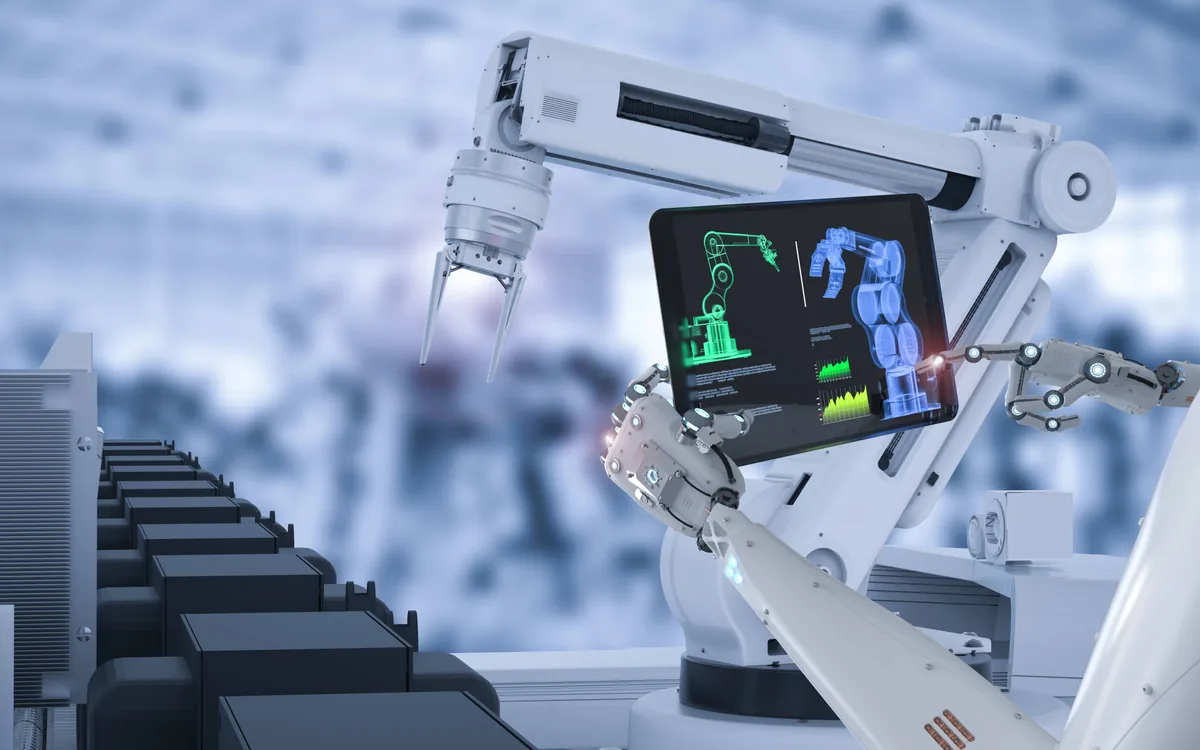
Industry 4.0 programs rarely stall on technology availability. They stall on data quality, process discipline and the engineering capability required to turn machine signals into decisions. The distance between a connected shop floor and a useful dashboard is mostly organizational.
From connected machines to connected decisions
Traditional manufacturing systems were built for record-keeping and control: machines ran to setpoints, production data was captured periodically, and analysis happened after the fact. Connected digital operations change the timing — data is captured continuously and made available while a decision can still be influenced.
The evolution is usually incremental rather than transformational. Connectivity comes first, then visualisation, then analysis, and finally decision support embedded in daily operating routines. Programs that attempt to skip directly to analytics generally return to connectivity and data quality later.
The practical test
A dashboard creates value only when someone changes a decision because of it. If a metric is visible but no routine acts on it, the deployment has produced visibility, not capability.
The Industry 4.0 building blocks
Most deployments combine the same set of components, sequenced to the maturity of the plant:
- IoT sensing for parameters that are not already instrumented
- Industrial connectivity across controllers, machines and plant networks
- Machine data acquisition with consistent time-stamping and context
- Digital dashboards aligned to operational roles, not generic templates
- Predictive maintenance built on condition data and failure history
- Analytics for quality, throughput and process variation
- Digital twins for process simulation, layout and behaviour studies
- Automation that closes the loop where data supports reliable action
Sequencing matters more than scope
Deployments that begin with a narrow, high-value use case — one line, one loss mechanism, one decision — tend to establish the data discipline that later use cases depend on. Plant-wide rollouts launched before that discipline exists typically generate large volumes of low-confidence data.
What OEMs need beyond technology
The recurring constraints in industrial digitization are organizational rather than technical:
- Data quality — consistent definitions, reliable capture and traceable context
- Process standardization, so the same operation means the same thing across lines and plants
- Skilled engineers who understand both the manufacturing process and the data layer
- Change management, so operators and supervisors adopt new routines
- Integration between legacy equipment and new systems, including older controllers and mixed protocols
Legacy integration deserves particular attention. Most Indian plants operate a mix of equipment generations, and the cost of retrofitting connectivity is often underestimated relative to the cost of the analytics layer.
Turning shop-floor data into engineering intelligence
Once data is trustworthy, it can support decisions across several operational dimensions:
- Quality — linking process parameters to defect modes and narrowing variation
- Productivity — identifying and addressing the true constraint rather than the visible one
- Maintenance — moving from calendar-based intervention to condition-based planning
- Energy efficiency — attributing consumption to processes, shifts and equipment states
- Process optimization — validating changes with measured evidence rather than assumption
The highest-value outcome is usually feedback into engineering: design, tooling and process decisions informed by what production data actually shows.
The role of engineering and digital talent
Sustaining these programs requires multidisciplinary teams. The combination that works in practice brings together manufacturing engineering, controls and automation, software and integration, and data analysis — with enough shared vocabulary to translate between them.
- Manufacturing and process engineers who define what is worth measuring
- Automation and controls engineers who make the data available reliably
- Software and integration engineers who connect plant systems to enterprise systems
- Analytics capability that turns data into interpretable operational insight
Teams assembled from only one of these groups tend to produce either well-instrumented plants without analysis, or analysis built on data the process owners do not trust.
Conclusion
Industry 4.0 transformation requires both technology and engineering capability. The technology is largely available; the differentiator is disciplined data practice, standardised processes and multidisciplinary teams that can carry a use case from sensor to decision — and then sustain it.
Related Insights


Engineering Talent. Digital Expertise. Industry Impact.
Connect with Harita Techserv for engineering services, digital engineering solutions, and specialized technology staffing.